Finance
Blog
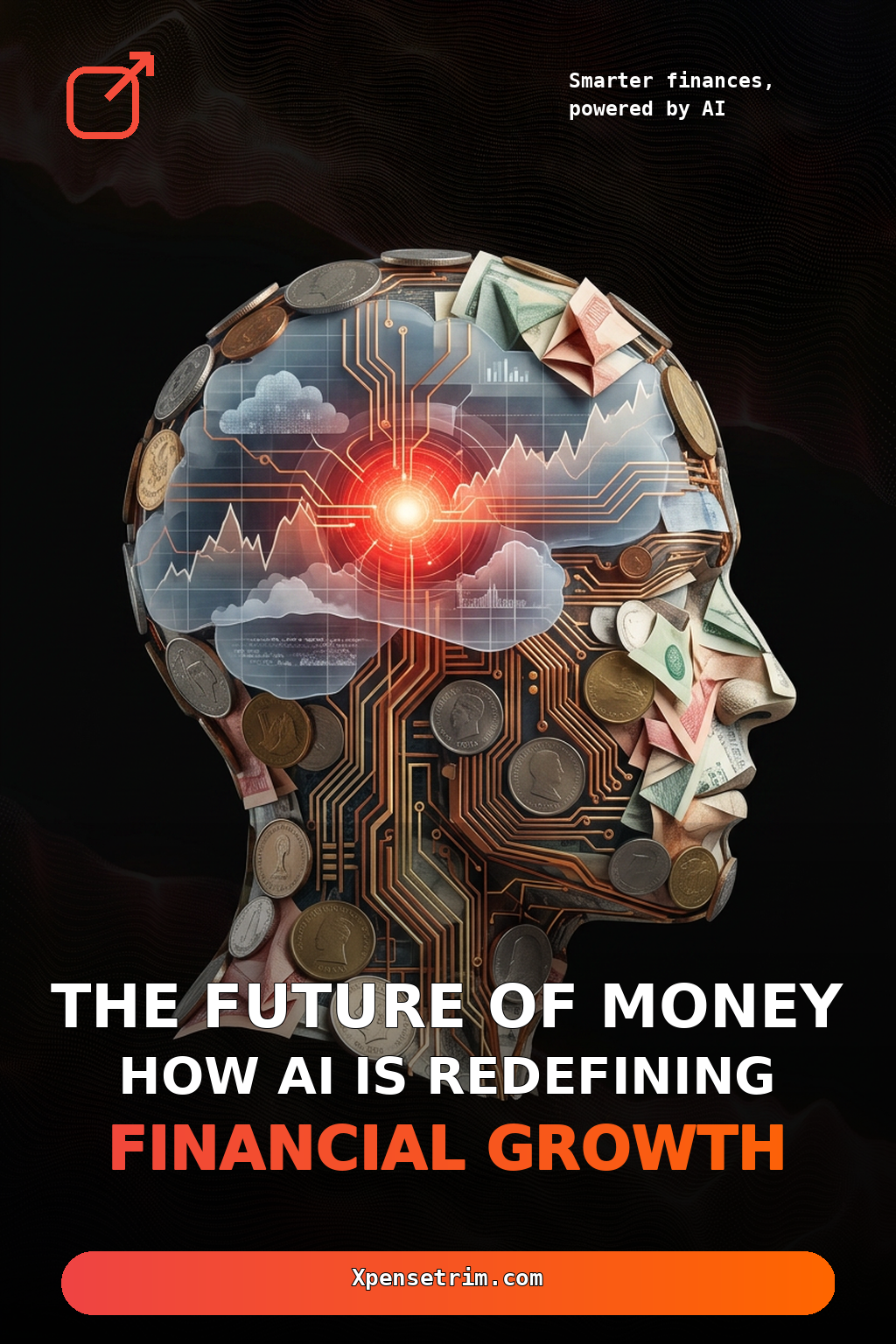
THE FUTURE OF MONEY: HOW AI IS REDEFINING FINANCIAL GROWTH
Artificial intelligence is changing financial growth from a backward-looking exercise into a more proactive, personalised process. By turning everyday financial data into timely insights, AI can help individuals and businesses spot patterns, plan with greater confidence and make smarter decisions, while keeping human judgement firmly in control.

Xpensetrim
August 25, 2026/4 min read
Money is becoming more intelligent
For years, managing money has largely meant looking backwards. Individuals checked statements after spending. Businesses reviewed reports after costs were incurred. Budgets were often built from old figures and adjusted only when circumstances changed.
Artificial intelligence is shifting that model. Instead of simply recording what happened, AI-powered financial tools can identify patterns, highlight risks and suggest useful next steps. This creates a more responsive approach to financial growth—one shaped by clearer information, faster learning and better-timed decisions.
The future of money is not about handing every choice to a machine. It is about using technology to understand our financial behaviour sooner and act with greater confidence.
From financial records to financial intelligence
A transaction on its own tells a limited story. Thousands of transactions, organised and analysed together, can reveal much more: where money regularly leaks, which costs are rising, how cash flow changes over time and whether current habits support long-term goals.
AI can process this information at a speed and scale that manual reviews cannot match. It can automatically classify expenses, detect recurring payments and bring unusual activity to attention. For an individual, that may mean noticing that convenience spending has grown steadily. For a business, it may mean identifying duplicate subscriptions or a cost category that is increasing faster than revenue.
That transition from storing data to learning from it is one of AI’s most important contributions to financial growth.
Five ways AI is redefining financial growth
1. Personalised financial guidance.
Traditional financial advice often starts with broad rules. AI can make guidance more relevant by using actual income, spending patterns, obligations and goals. A useful system might recommend a realistic weekly limit, identify a suitable amount to save or flag the categories where a small adjustment could have the greatest effect
2. Earlier and more accurate decisions.
Good decisions depend on timing. AI can identify emerging patterns before they become expensive problems: a budget category approaching its limit, a bill likely to affect cash flow or a recurring charge that has increased. These early signals allow people and teams to respond while there is still room to act.
3. Less administrative work.
Growth is difficult when financial management depends on repetitive manual tasks. Receipt capture, expense categorisation, reconciliation and routine reporting can consume hours and still leave room for errors. Automating these processes gives individuals more mental space and allows businesses to focus their time on customers, strategy and operations.
4. More useful forecasting.
Financial growth requires a view of what may happen next. By analysing historical patterns, AI can support forecasts for spending, savings and cash flow. Forecasts are never guarantees, but a regularly updated estimate can be more useful than a static plan built once and forgotten.
5. Greater access to financial insight.
Sophisticated analysis was once mainly available to people and organisations that could afford dedicated experts and complex software. AI-powered tools can make practical insights more accessible, helping smaller businesses and everyday users understand their numbers without needing to become data specialists.
Growth is more than earning more
Financial growth is often described as increasing income or revenue. Those outcomes matter, but sustainable growth also depends on how effectively money is managed.
For individuals, growth may mean building an emergency fund, reducing avoidable costs, making consistent progress toward a goal or feeling more in control of everyday decisions. For businesses, it may mean improving cash-flow visibility, reducing waste, strengthening expense policies or finding more resources to invest in expansion.
AI supports these outcomes by helping users connect small daily actions with the bigger picture. A better category, a timely alert or a clear forecast may appear simple, but repeated improvements can create meaningful long-term progress.
The future still needs human judgement
AI can recognise patterns, but it does not understand every personal priority, business relationship or unexpected circumstance. Its recommendations are only as reliable as the data, design and assumptions behind them.
Responsible financial AI therefore needs transparency, privacy and human oversight. Users should know what information is being used, understand why an insight appears and remain free to accept, question or ignore a recommendation. Businesses also need strong controls around data security, bias and accountability.
The best future is not one in which technology makes financial decisions for us. It is one in which technology gives us the clarity to make those decisions better.
A smarter relationship with money
The real promise of AI is not a more complicated financial life. It is a simpler one: less time searching for information, fewer surprises and a clearer connection between today’s choices and tomorrow’s goals.
Xpensetrim is building toward that future by helping individuals and businesses organise expenses, capture receipts, understand spending and turn financial records into practical insight. When the numbers become clearer, growth becomes easier to plan—and easier to sustain.
The future of money will be powered by data, shaped by AI and directed by people. The question is no longer whether financial management will become more intelligent, but how we will use that intelligence to build healthier financial futures.
Explore smarter expense management at Xpensetrim.com